
TLDR
Abuja has more to offer than most visitors expect. From cultural sights to local markets, there’s enough to fill several days. This guide covers the best things to do, with distances from Casalinda Hotel and practical tips.

Insider Tip
Don’t try to cram everything into one day. Pick 2-3 things, leave time for wandering, and you’ll enjoy Abuja much more than rushing through a checklist.
Planning your stay? Check current rates at Casalinda Hotel, a convenient base for exploring Abuja.
Explore the Neighbourhood
Abuja rewards aimless walking. Wander the streets, duck into local shops, and stop at whatever café looks busiest. Sometimes the best travel experiences aren’t on any list.
The Sights Most Visitors Actually Book
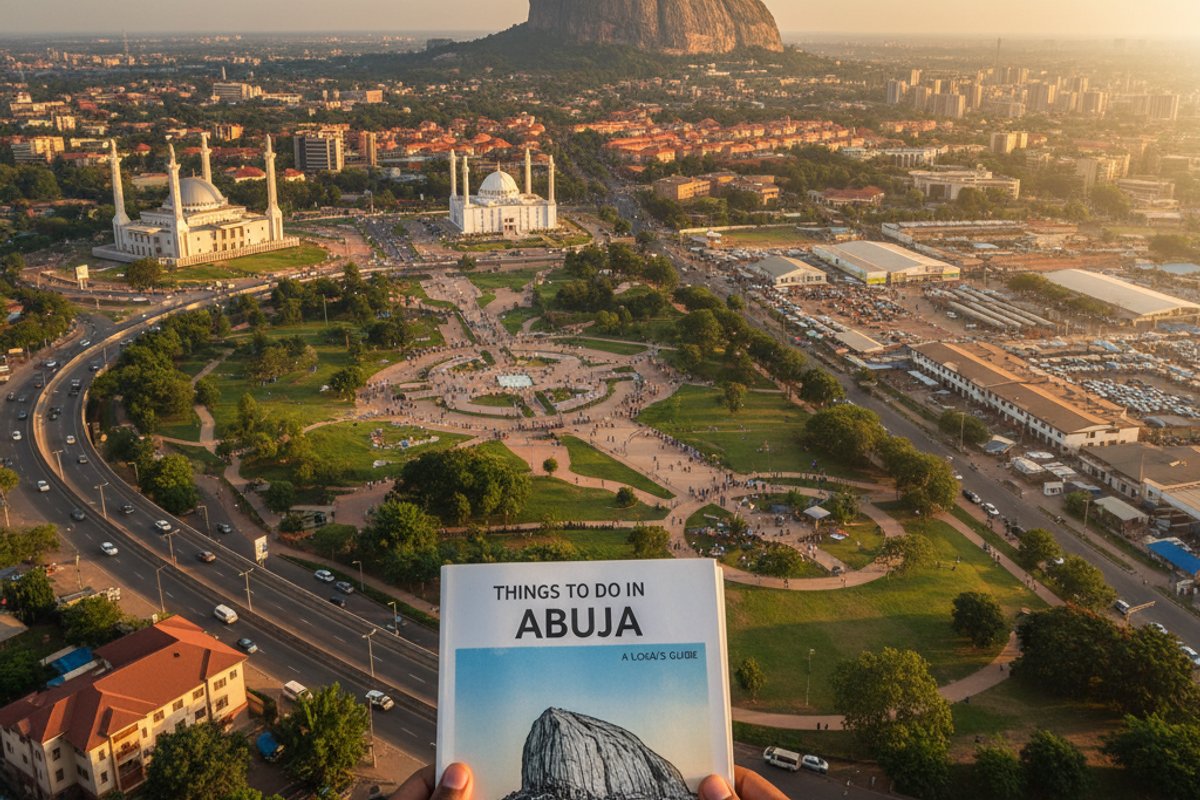
The Abuja first-trip checklist usually looks like this: the National Mosque, the National Christian Centre, Aso Rock (viewed from a distance, you cannot actually climb it), Millennium Park, and Jabi Lake. All worth doing, all doable in two days if you move efficiently. The National Mosque on Independence Avenue is free to enter outside prayer times, beautiful inside, and open to non-Muslim visitors as long as you dress modestly and remove shoes at the door. The National Christian Centre across town is also free and worth 30 to 45 minutes.
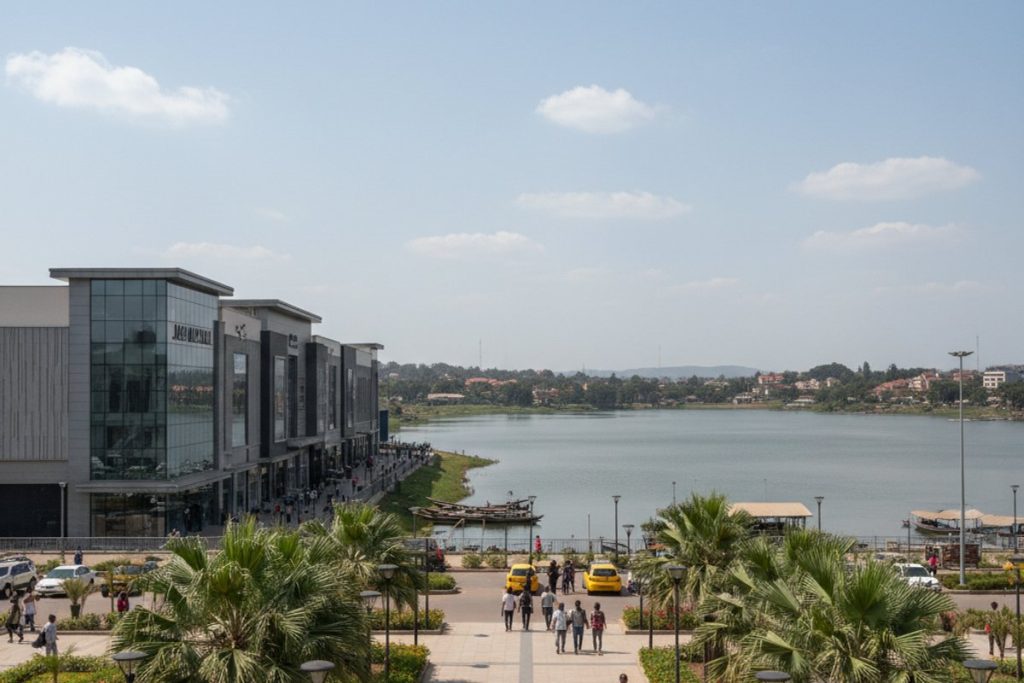
Millennium Park in Maitama is the city’s official park, designed by an Italian architect, and the best spot for an evening walk between 5 and 7pm when the light is good and locals are out. Jabi Lake Mall is more of a shopping and dining destination than a sight, but the lake walk around it is free and the paddle boat rentals are NGN 2,500 to 4,000 for 30 minutes. The Arts and Crafts Village at Sheraton is fixed prices and lower-pressure than Wuse Market for souvenir shopping. For practical background on all of these, the Nigeria Galleria directory keeps updated hours and entry details.
Honest take: if you only have two days, prioritise the National Mosque, Millennium Park at sunset, and Jabi Lake for dinner. That gives you architecture, greenery, and a lakeside meal without rushing. Save the second-tier stops for trip two.
Less Obvious Picks for a Second Trip
If you have been to Abuja before, or if you have a third or fourth day and want more than the checklist, these are the picks locals will actually send you to. The Nike Art Gallery (Abuja branch) is four floors of Nigerian art you can walk through for free, with pieces in the NGN 15,000 to 500,000 range if you want to buy. The Thought Pyramid Art Centre in Wuse 2 is smaller but shows rotating local work and hosts openings most weekends.
Silverbird Galleria in Central Business District is where locals go for cinema (NGN 3,500 to 5,500 a ticket, much cheaper than Western cities) and it is a good escape from midday heat. The Ceddi Plaza area has bookshops and cafes. For something genuinely different, the Katampe Hills viewpoint on the city’s eastern edge gives you the best sunset panorama of Abuja, and almost no tourists go there. It is a 25-minute Bolt from Wuse 2, and you want to be up there between 5:45 and 6:30pm.
Wonderland Amusement Park in Jabi is mid-scale fun for families (NGN 3,000 to 8,000 depending on ride package), and the Magicland equivalent exists too. For adults, the bar scene around Wuse 2 (particularly the hotel bars at Transcorp Hilton and Sheraton) runs later than most of the city and is a safer way to experience nightlife on a first trip. If you are doing self-directed walks between these spots, the walking tours guide covers safe routes and timing.
Day vs Evening Spots
Abuja runs on two clocks. Between 10am and 4pm, the heat is serious (often 32 to 36 degrees Celsius, with harmattan haze in December and January), and outdoor attractions feel harder than they look on the map. Use those hours for indoor picks: galleries, Silverbird Galleria, the Mosque interior, shopping at Jabi Lake Mall, or a long lunch. Between 5pm and 8pm is when the city opens up: parks fill, markets become pleasant, sunset photography works, and the heat drops to comfortable 26 to 28 degrees.
Practical day plan: Mosque and National Christian Centre at 9 to 11am, indoor gallery or museum at midday, long lunch (NGN 5,000 to 12,000 at a mid-range spot in Wuse 2 or Maitama), sunset at Millennium Park or Katampe Hills, dinner at Jabi Lake. That structure works all year except peak harmattan when you want to cut the outdoor pieces shorter. The month by month guide has the seasonal version of this.
Evenings in Abuja are safer than visitors expect in central Wuse 2, Maitama, Asokoro, and the Jabi corridor. Like anywhere, use common sense: stick to well-lit areas, take a Bolt back rather than walking late, keep valuables out of sight. But the blanket “do not go out at night” advice you see on some travel forums is overcalibrated. Locals go out, families go to Jabi for dinner, couples walk Millennium Park. You can do the same.
Free Things to Do
Walking around Abuja costs nothing and is one of the best ways to experience the city. Markets, parks, and street life are all free. The National Mosque, National Christian Centre, Millennium Park, and the Jabi Lake walk are all free entry. Nike Art Gallery is free unless you buy. Many museums have free entry days, check current schedules.
You might also find these useful: Abuja Neighborhood Guide: Every Area You Need to Know, Abuja on a Budget: How to Save Without Missing Out, Best Day Trips from Abuja.
What Guests Say About Staying in Abuja
Guests rate it 7.0/10 from 50 reviews.
Excellent value for money and nice food from the restaurant. Very helpful staff
What Guests Say About Staying Here
Guests rate it 7.0/10 from 50 reviews.
Serene and pleasant ambiance within the hotel compound providing a relaxing atmosphere
Find Your Stay in Abuja

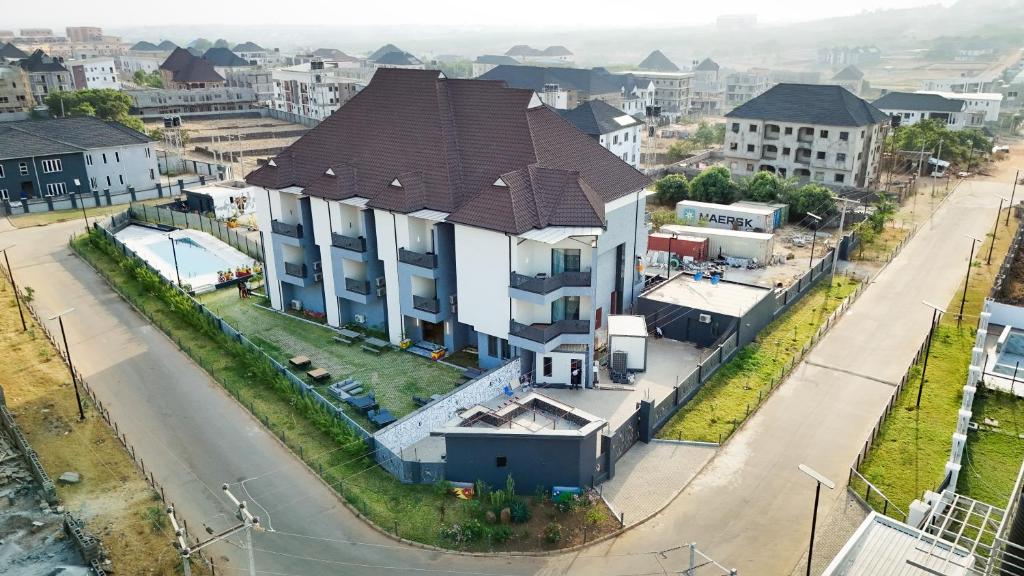
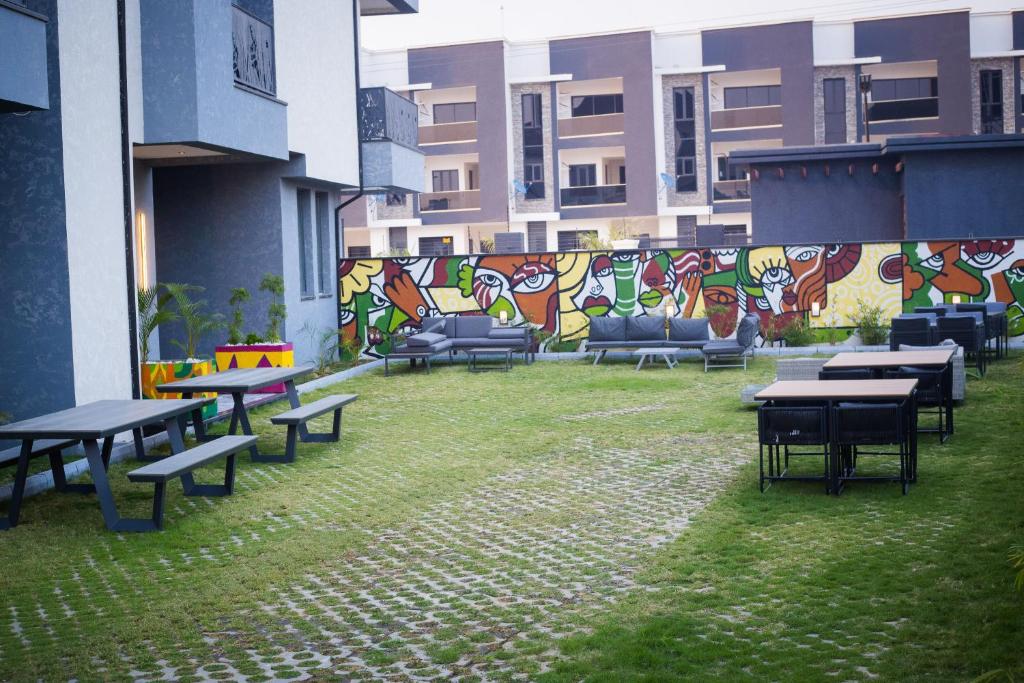
Check current prices at Casalinda Hotel
Casalinda Hotel in Abuja, a solid base for exploring everything on this list.
Check Available RoomsWe may earn a small commission if you book through this link. It doesn’t cost you anything extra.
Frequently Asked Questions
What are the top things to do in Abuja?
The core list is Aso Rock viewing from Maitama or Millennium Park, the National Mosque and National Christian Centre, Jabi Lake, Wuse Market and a Zuma Rock half day trip. Two full days covers it comfortably, three days gives you breathing room.
Is the National Mosque open to visitors?
Non Muslim visitors can tour the National Mosque courtyard and exterior most days outside of the five daily prayer times and Friday Jumu’ah. Modest dress is required, women should cover hair, and the attendants at the gate will guide you. Entry is free.
Can I visit Aso Rock?
The rock itself is inside the Presidential Complex and is not open for hiking or climbing. The best viewing points are from Maitama along Three Arms Zone Road and from Millennium Park. For context on the monolith’s role in the capital, see our Aso Rock visitor guide.
What is Jabi Lake?
Jabi Lake is a reservoir in Jabi district with a waterfront promenade, boat rentals at NGN 2,000 to 5,000 for 30 minutes, and Jabi Lake Mall right alongside. It is the most popular weekend hangout in central Abuja, busiest from 4pm onwards.
Is Wuse Market worth visiting?
Wuse Market is the largest traditional market in the FCT and a working local market, not a tourist bazaar. Go in the morning, carry small naira notes, and expect to bargain to roughly half the first asking price on textiles and crafts.
How many days do I need in Abuja?
Two days is the minimum to cover the headline sights without rushing. Three days lets you add a Zuma Rock day trip. Four to five days works well if you want Gurara Falls, a Kaduna overnight or slow restaurant exploration across Maitama and Wuse.
What is Millennium Park?
Millennium Park is the largest public park in Abuja, covering 32 hectares in Wuse II, with free entry, morning joggers, landscaped gardens and a botanic section. It is the best free green space in the city centre. See the Millennium Park guide for hours and family areas.
Are there good museums?
The National Children’s Park and Zoo in Asokoro has a small museum element, and Thought Pyramid Art Centre in Wuse II is the strongest contemporary art space. For historical artefacts, the National Museum in Lagos is more substantial than anything Abuja currently offers.
Planning a Stay in Abuja?
Guests rate Casalinda Hotel 7.0/10 from 50 reviews. Check prices and availability for Casalinda Hotel on Booking.com, or compare other places to stay nearby.
Check AvailabilityWe may earn a small commission if you book through this link. It does not cost you anything extra.
Staying at Casalinda Hotel? Browse rooms, facilities and more local guides.
Back to Casalinda Hotel