
TLDR
The best time to visit Abuja depends on what you’re after. Shoulder seasons (just before and after peak tourist months) typically offer the best balance of good weather, fewer crowds, and lower prices. This guide breaks it down month by month.

Insider Tip
Booking Casalinda Hotel & Gallery Resort in the shoulder season can save you 20-40% compared to peak rates: same room, same experience, fewer crowds.
Planning your stay? Check current rates at Casalinda Hotel & Gallery Resort, a convenient base for exploring Abuja.
Peak Season

Peak season brings the best weather but also the highest prices and biggest crowds. Book accommodation and popular attractions well in advance. Casalinda Hotel & Gallery Resort fills up quickly during this period.


Shoulder Season
The sweet spot for most travellers. Weather is still good, prices drop, and you can actually get a table at popular restaurants without a reservation. This is when most experienced travellers visit Abuja.
“Visited in late January during Harmattan and the weather was perfect for walking: cool mornings in the low 20s and clear afternoons around 30. Only catch was the dust haze around sunset.”
“Comfortable rooms, helpful reception and handy for day trips to Zuma Rock and Gurara Falls. Would return.”
Check current prices at Casalinda Hotel & Gallery Resort
Casalinda Hotel & Gallery Resort in Abuja: a solid base for exploring everything on this list.
Check Available RoomsWe may earn a small commission if you book through this link. It doesn’t cost you anything extra.
Off Season

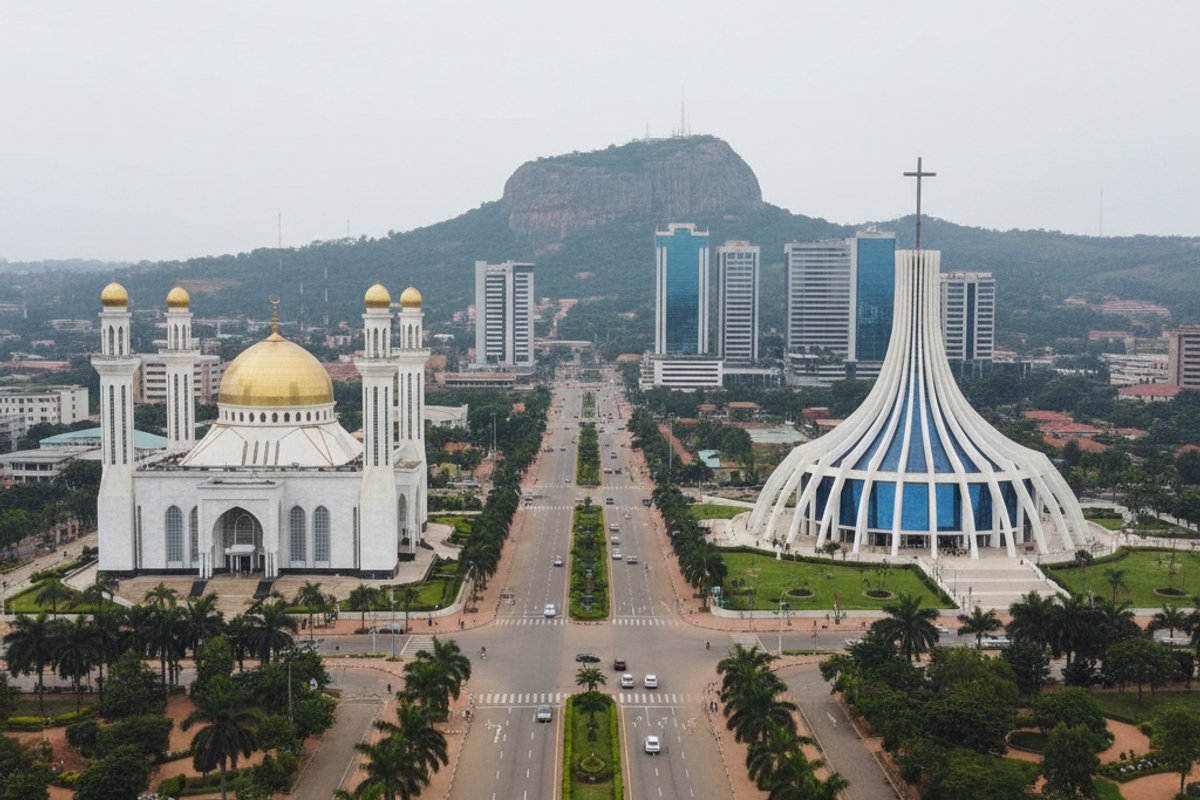
Lower prices and empty streets, but weather can be unpredictable. Some attractions may have reduced hours. If you don’t mind a bit of rain, this is when Abuja feels most authentic.
What Harmattan Actually Feels Like
Harmattan is the dry, dusty wind that blows south from the Sahara between late November and early February, and it is the single biggest weather surprise for first-time visitors to Abuja. The air goes hazy. Morning temperatures drop to 16 to 18 degrees Celsius (cool enough that locals pull out light jackets), while afternoons stay warm at 30 to 33. The defining feature is the dust: a fine orange-brown layer settles on cars, railings, and laptop screens, and on the worst days the sky looks milky white from the ground.
Practically, harmattan affects three things. Contact lens wearers struggle (bring glasses as backup). Asthmatic visitors should check with a doctor before booking a December trip. And photography suffers: Zuma Rock and Aso Rock both lose their sharp silhouettes in the haze, so if those shots matter to you, aim for March or the post-rain clarity of October. The upside: harmattan is the cheapest hotel season in Abuja, with rates at places like Casalinda, Transcorp Hilton, and Sheraton dropping 20 to 35 percent below peak. The budget guide covers how to stack that discount with local meal savings.
What locals do during harmattan: drink more water than usual, keep car windows closed, and avoid rural day trips on the worst days. What visitors should do: accept that outdoor photos will look different, plan indoor activities for the midday hours when the haze is densest, and treat the cool evenings as a bonus. A December dinner on the Jabi Lake Mall patio in a light sweater is genuinely pleasant.
Events That Move Hotel Prices
Abuja hotel rates do not follow a simple tourist calendar. They move around government events, diplomatic summits, and a handful of cultural festivals that most travel sites ignore. The two reliable spikes: May 29 (Democracy Day) and October 1 (Independence Day) both push central Abuja hotel rates up 30 to 50 percent for 3 to 5 nights around the date. If you can avoid those weeks, do.
The Abuja International Film Festival (usually November), the Abuja Carnival (late November or early December), and occasional ECOWAS or AU-adjacent summits also tighten availability in Maitama, Asokoro, and the Transcorp Hilton / Sheraton corridor. When these events overlap with harmattan season, the usual cheap-December rule breaks: your NGN 45,000 Transcorp room becomes NGN 90,000 for the conference week. Check the FCT Administration events listings and your hotel’s own calendar before locking dates.
Religious holidays also matter. Eid al-Fitr and Eid al-Adha both move by the Islamic calendar and they shift hotel demand toward family travel inside the country, which means mid-range Abuja hotels fill up with Nigerian visitors rather than international ones. Ramadan itself changes restaurant hours (some close until sunset in areas with higher Muslim populations like parts of Wuse and Garki), and dinner bookings become essential in the evenings. For current-year dates and how they land against your trip, the best rule is to check two months out, then confirm again two weeks before booking. If you are still weighing dates, the day trips guide has notes on which rural destinations work better in which season.
Month-by-Month Quick Guide
January-March: Check seasonal conditions for Abuja. Can be quieter and cheaper.
April-June: Often ideal conditions. Book early if visiting during holidays.
July-September: Peak summer period in many destinations. Expect crowds and higher prices.
October-December: Shoulder into off-season. Often excellent value with mild weather.
You might also find these useful: Abuja Neighborhood Guide: Every Area You Need to Know, Abuja on a Budget: How to Save Without Missing Out, Best Day Trips from Abuja.
See Casalinda Hotel & Gallery for Yourself
Browse All Photos on Booking.com →
This post contains affiliate links. We may earn a commission at no extra cost to you.
Frequently Asked Questions
See Casalinda Hotel & Gallery for Yourself



Browse All Photos on Booking.com →
This post contains affiliate links. We may earn a commission at no extra cost to you.
When is the best time to visit Abuja?
November to February is the sweet spot, covering the Harmattan dry season. Days sit around 28 to 32 Celsius, nights drop to 16 to 20, humidity is low, and you get clear skies for Aso Rock and Zuma Rock photography.
What is Harmattan weather like?
Harmattan runs roughly December to early February and brings dry, dusty winds off the Sahara. Visibility drops on heavier dust days and you will want a light scarf or mask. The upside is cool mornings and almost no rain for weeks at a time.
When is the rainy season in Abuja?
The main rains run May to September with August typically wettest. Expect heavy afternoon downpours that clear in an hour or two rather than all day rain. Temperatures stay warm at 24 to 30 Celsius and humidity climbs noticeably.
Is it too hot to visit in March?
March and April are the hottest months with daytime highs of 36 to 40 Celsius and building humidity before the rains break. Sightseeing at Aso Rock viewpoints or Zuma Rock needs early starts before 10am, and plenty of water.
Does Abuja get crowded around holidays?
Christmas week and the two Eid holidays fill hotels across Maitama, Asokoro and Wuse, with rates rising 30 to 60 percent. Independence Day on October 1st pulls crowds to Eagle Square and Three Arms Zone, which is worth seeing but means heavier security.
What should I pack?
Lightweight breathable clothes year round, a light jumper for cool Harmattan nights, sun hat and strong sunscreen, and modest cover ups for the National Mosque or if travelling to northern states. An umbrella earns its space from May through September.
Is it worth visiting during Ramadan?
Abuja handles Ramadan calmly compared with the far north, and most restaurants stay open during the day, though service can be slower. Evenings come alive with iftar spreads at hotels and street stalls around Wuse and Garki, and prices stay steady.
What month has the best deals?
May through early July usually offers the lowest hotel rates, with rooms 20 to 35 percent below dry season pricing. You trade off some afternoon rain, but mornings and early evenings are usually clear enough for sightseeing.