Skip to content

TLDR

Abuja rewards travellers who plan by district. This guide breaks down every area you need to know: where to stay, where to eat, and which neighbourhoods suit which type of traveller.

Abuja Neighborhood Guide: Every Area You Need to Know

Insider Tip

Wuse 2 is where Casalinda Hotel & Gallery Resort sits. It’s a good base for exploring Abuja: central enough to walk to the main sights, quiet enough to actually sleep at night.

Planning your stay? Check current rates at Casalinda Hotel & Gallery Resort, a convenient base for exploring Abuja.

Abuja

Abuja Neighborhood Guide: Every Area You Need to Know

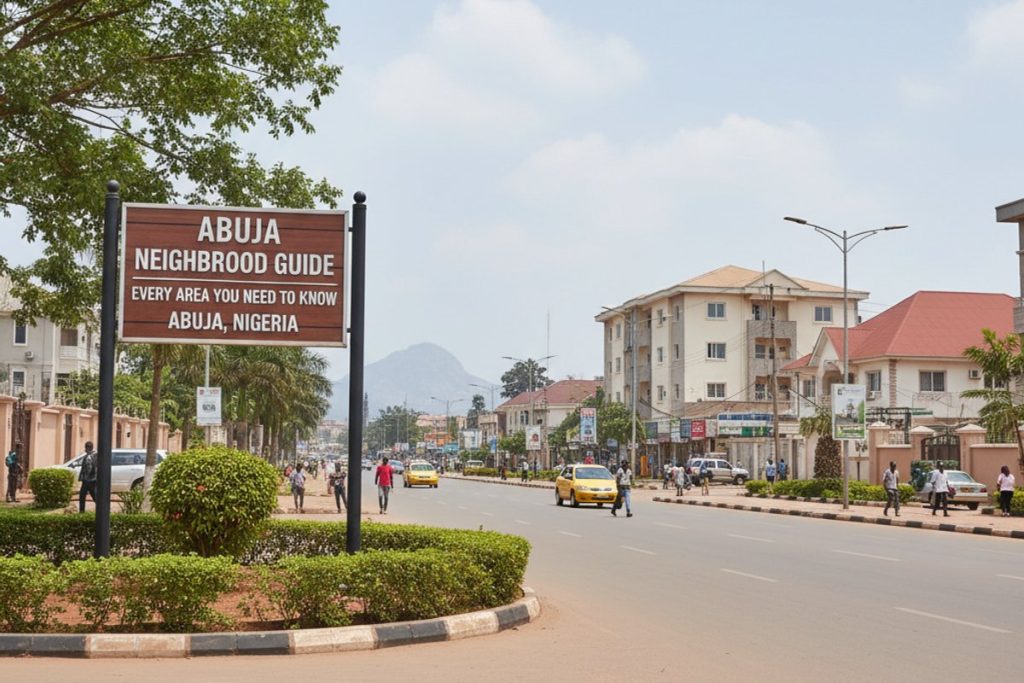
Wuse 2 sits near the centre of the Federal Capital Territory and serves as the practical base for most short visits. Streets are wide, distances are walkable in cool hours, and Bolt rides into the surrounding districts rarely cost more than a few thousand naira.

Abuja Neighborhood Guide: Every Area You Need to Know view
Abuja Neighborhood Guide: Every Area You Need to Know scene

Where to Eat

Abuja has a solid food scene. Ask at your hotel for current recommendations: restaurants turn over quickly and the locals always know what’s new. The Abuja restaurant guide covers reliable picks across price tiers.

What Visitors Say
⭐⭐⭐⭐⭐
“Walked Maitama at dusk along Aguiyi Ironsi Street and it felt calm and tidy, tree-lined and quieter than I expected in a capital. Great bakeries, clean streets and easy Bolt pickups.”
– Maitama District Abuja, Google review View on Google Maps →
What Guests Say About Staying in Abuja
“Solid choice for Abuja. Close to Jabi Lake Mall and Silverbird Galleria, and the evening security felt reassuring.”
⭐ Google review See Abuja Hotels on Booking

Check current prices at Casalinda Hotel & Gallery Resort

Casalinda Hotel & Gallery Resort in Abuja: a solid base for exploring everything on this list.

Check Available Rooms

We may earn a small commission if you book through this link. It doesn’t cost you anything extra.

Where Locals Actually Live

Abuja Neighborhood Guide: Every Area You Need to Know

Tourists tend to stop at Maitama and Asokoro because those are the names that pop up in guidebooks. Fair enough, those are the embassy and diplomat districts, and they are quieter and greener than anywhere else in the city. But the everyday Abuja most locals actually inhabit runs through Wuse, Garki, Jabi, and Gwarinpa. Wuse 2 is where Casalinda Hotel and Gallery Resort sits, and it is a good window into how the city really works: offices, eateries, banks, small supermarkets, and a steady flow of people walking between meetings rather than sightseeing.

Head further out and Gwarinpa, Kubwa, Lugbe, and Nyanya are the commuter belts. These are where rents drop, family homes get bigger, and the informal economy gets louder. A plate of jollof at a Gwarinpa buka runs NGN 1,500 to 2,500, about a third of what you will pay in a Maitama cafe. You will not find these areas on most hotel booking maps, and that is fine: they are not where you sleep. They are where you get a feel for how the Federal Capital Territory actually lives day to day. For official district boundaries and planning maps, the FCT Administration publishes updated district information.

Garki, split into Garki 1 and the newer Garki 2, sits right in the middle and is probably the most honest mix of old and new. The Area 11 section has government offices, Garki 2 has restaurants and nightlife, and the Area 1 market is where locals shop for everything from produce to electronics. If you want to see how Abuja actually works before you decide where to stay, spend a morning walking Garki 2. It tells you more than any guidebook section. If you are still choosing a base, the area guide for visitors breaks down the trade-offs by trip type.

How Far Each Area Is from the Airport

Nnamdi Azikiwe International Airport (NAIA) sits about 40 kilometres southwest of the city centre, in Lugbe. That distance matters because Abuja traffic on the Umaru Musa Yar’Adua Expressway can turn a 45-minute drive into a 90-minute one during evening rush. From NAIA to Wuse 2 or Maitama, expect roughly 50 to 70 minutes off-peak and up to two hours between 5pm and 7pm on weekdays.

Asokoro and Maitama are the furthest inside the city (closer to 75 minutes from the airport in normal traffic), while Gwarinpa in the north sits about the same distance but via a different route. Lugbe itself is only 10 to 15 minutes from the terminal, which is why some business travellers on short layovers stay there. Taxi from NAIA to Wuse 2 typically runs NGN 8,000 to 15,000 depending on whether you use the official airport taxi desk, a Bolt, or a pre-arranged hotel transfer. The airport and transport guide has current prices and which counter to approach.

One thing worth knowing before you book: distance on a map does not match real travel time in Abuja. A 12-kilometre trip across central districts can take 40 minutes at the wrong hour because of a handful of pinch points around Berger junction, Area 1, and the Wuse Market approach. If you have meetings in Maitama and want to minimise travel, stay in Maitama. If you are mostly sightseeing around the National Mosque, the National Christian Centre, and Millennium Park, Wuse 2 or Garki 2 is closer and cheaper.

Getting Around

Within Abuja, a mix of walking and local transport covers most of what you’ll want to see. Bolt and Uber both work reliably in the central districts, with cross-city rides typically NGN 2,500 to 6,000. The yellow and green city cabs are cheaper if you are comfortable negotiating fares in advance. The Abuja Metro rail is mostly non-operational for tourists, so plan around cars, not trains.

Which Area Should You Choose?

If you want to be close to the main attractions, Abuja is a strong pick. Casalinda Hotel & Gallery Resort puts you within reach of the city centre without the noise of the busiest tourist strips.

You might also find these useful: Abuja on a Budget: How to Save Without Missing Out, Best Day Trips from Abuja, Best Time to Visit Abuja: Month by Month Guide.

See Casalinda Hotel & Gallery for Yourself

Casalinda Hotel & Gallery room Casalinda Hotel & Gallery room Casalinda Hotel & Gallery room

Browse All Photos on Booking.com →

This post contains affiliate links. We may earn a commission at no extra cost to you.

Frequently Asked Questions

Which Abuja neighborhood is best for first-time visitors?

Maitama and Wuse II are the easiest landing zones for first timers. Maitama has embassies, quiet streets and higher end hotels in the NGN 80,000 to 150,000 a night bracket, while Wuse II gives you closer access to restaurants, shopping and the nightlife around Aminu Kano Crescent.

Is Asokoro safe to walk around in?

Asokoro is one of the safest and quietest districts in Abuja, mostly because it holds the Presidential Villa and senior government residences. You will see police checkpoints near the Three Arms Zone, which is normal, but casual walking on the main residential streets is fine in daylight.

What is the difference between Wuse and Garki?

Wuse is the commercial heartbeat of central Abuja with Wuse Market, banks and chain restaurants clustered along Ahmadu Bello Way. Garki sits just south and feels more residential and old school, with Garki Model Market and the Area 11 strip being the main draws.

Is Jabi worth staying in?

Jabi is a good pick if you want the lakefront, Jabi Lake Mall and a slightly newer feeling part of town. Hotels around Jabi Lake run NGN 45,000 to 90,000 a night, and the mall gives you cinema, decent supermarkets and a Shoprite within walking distance.

How far out is Gwarinpa from central Abuja?

Gwarinpa is about 20 to 30 minutes by Bolt from the city centre depending on traffic on the Kubwa Expressway. It is one of the largest housing estates in West Africa and works better as a residential base than a visitor hub, with rides costing NGN 3,000 to 5,000 to Wuse.

Should visitors stay in Kubwa?

Kubwa is cheap and has plenty of short let apartments in the NGN 20,000 to 35,000 a night bracket, but it is a satellite town 25 kilometres out. If you plan to see Aso Rock, Millennium Park or the National Mosque daily, the commute eats your time fast.

Which area has the best restaurants?

Wuse II and Maitama carry the strongest restaurant scene, from Salamander Cafe and BluCabana to higher end spots in Maitama hotel districts. Garki Area 11 is the local favourite for suya, grilled fish and casual plates under NGN 5,000.

Are the phase numbers (Wuse 1, Wuse 2) important to know?

Yes, they matter for directions. Wuse II (Phase 2) is the upmarket side with better restaurants and shopping, while Wuse Zone 1 through 6 are older residential zones with Wuse Market sitting in Zone 5. Bolt drivers will ask you which Wuse you mean.

Leave a Reply

Your email address will not be published. Required fields are marked *